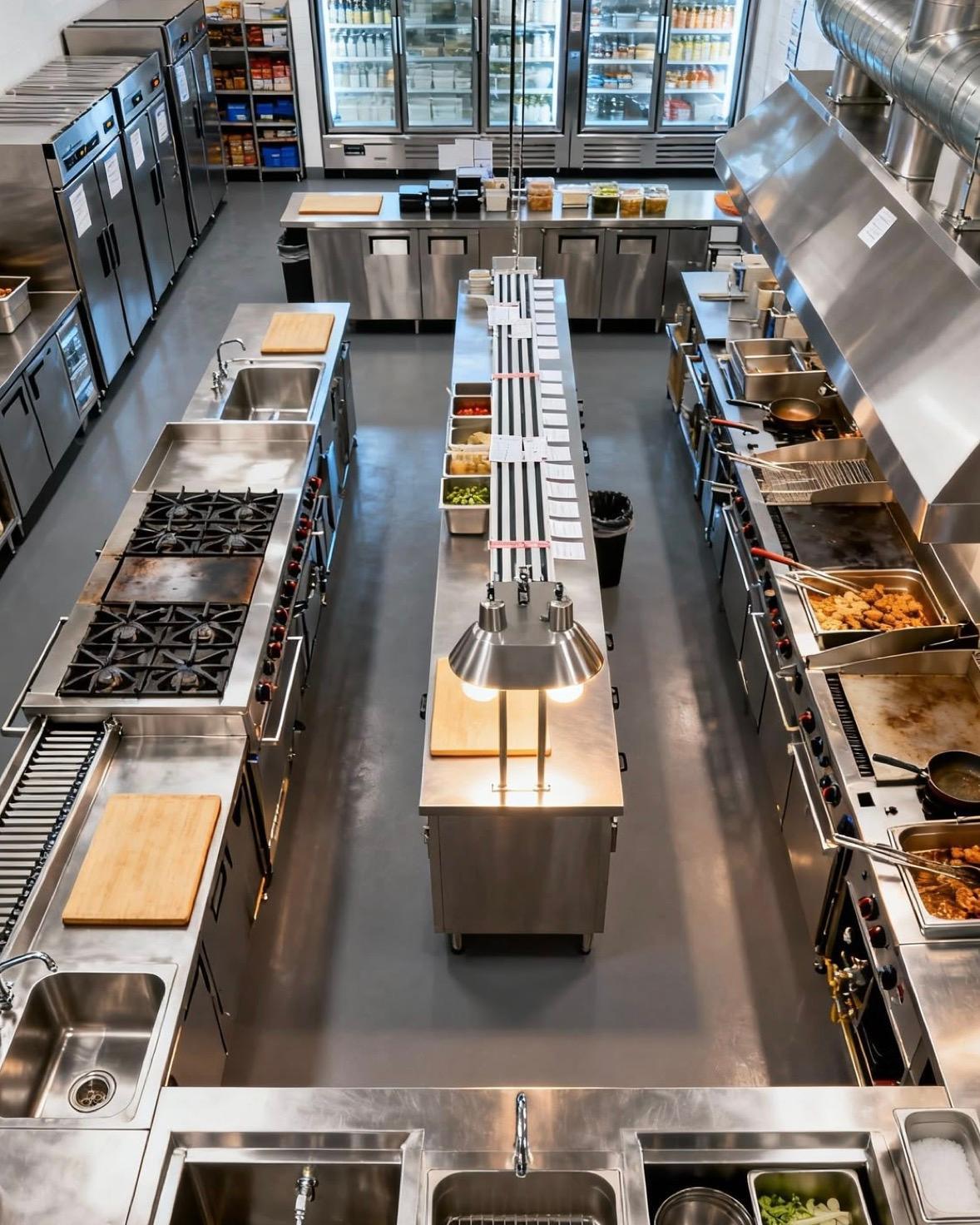
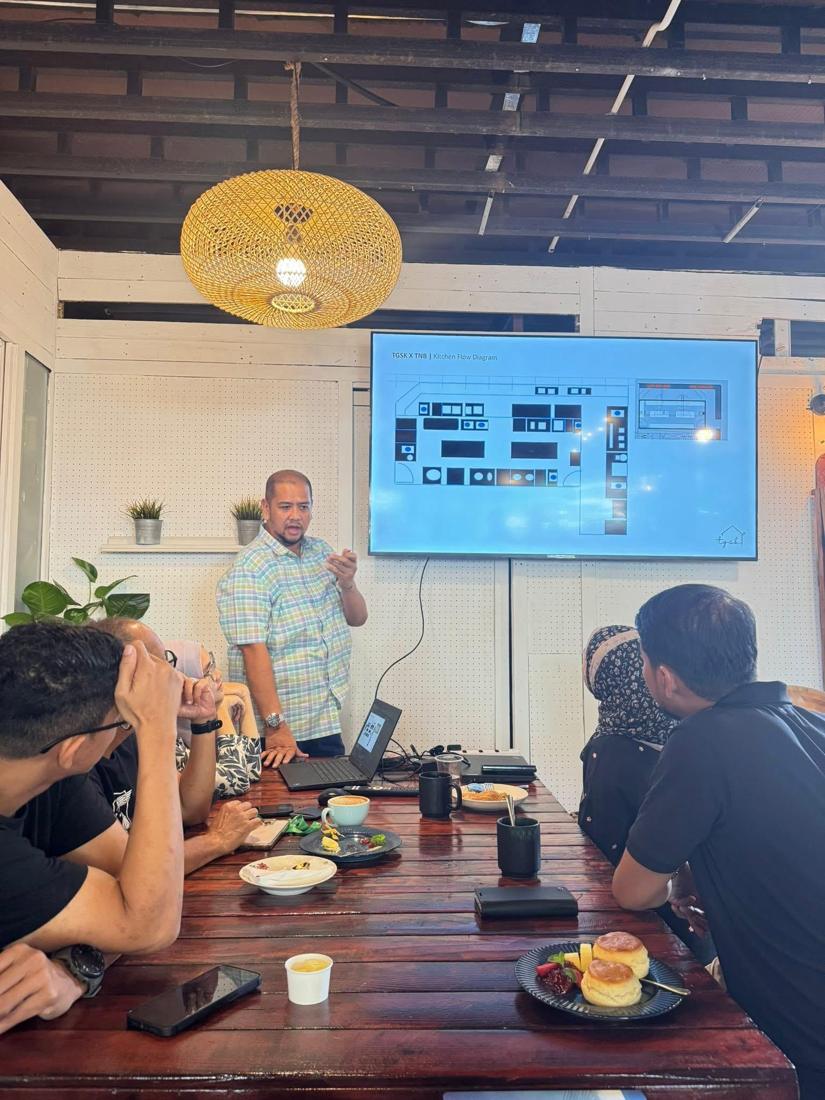
Kitchen Design
Restaurant · Café · Central Kitchen
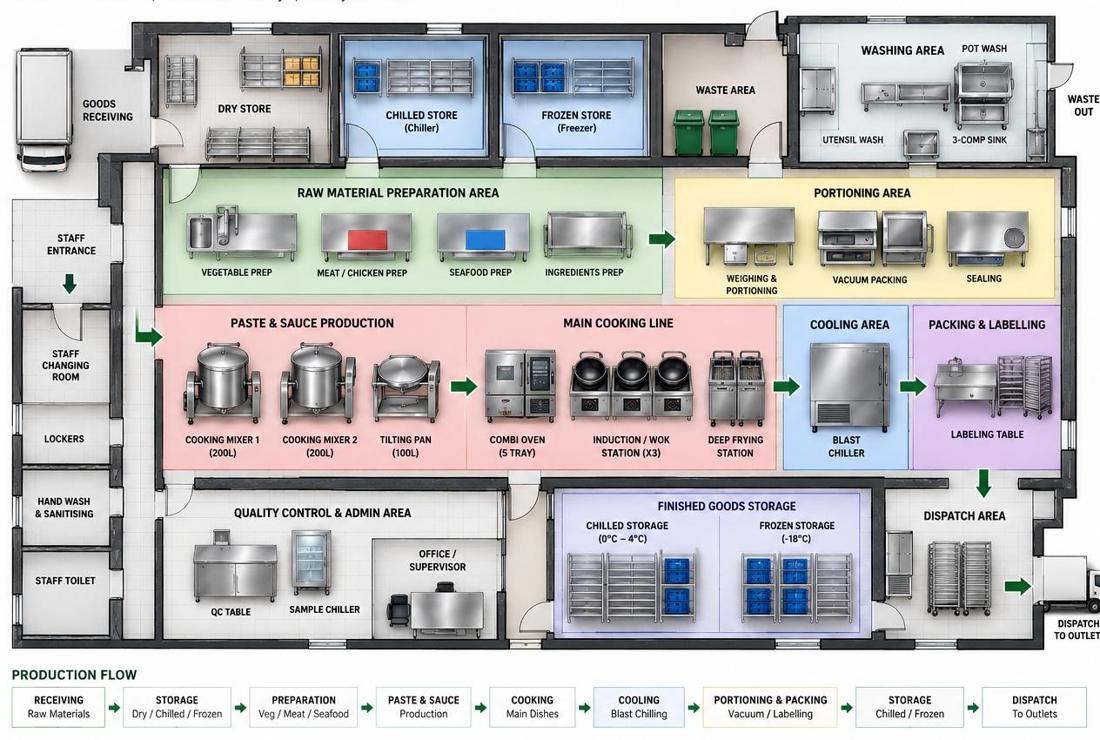
- Workflow zoning from receiving to dispatch
- Equipment layout & specification
- Prep-to-pass flow that cuts steps
- Dry, chilled & frozen storage planning
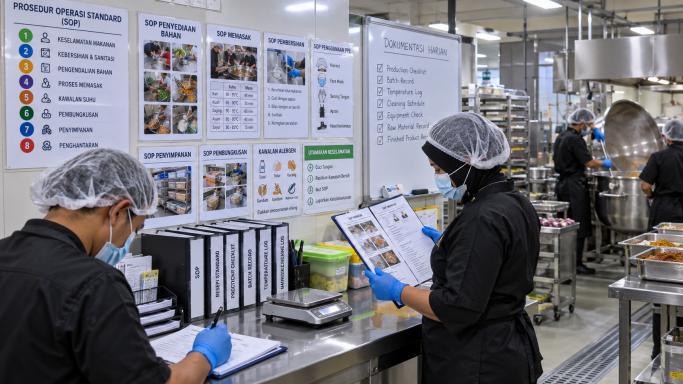
- Food safety & hygiene readiness
Dining House Solutions helps restaurants, cafés and central kitchens design better kitchens, engineer profitable menus and build the SOPs and teams that keep every outlet consistent — led by Chef Bo Ibrahim, with 30 years on the kitchen floor.
Five areas where most F&B businesses leak money or lose consistency. Engage us for one, or for the whole journey from concept to opening day.

Restaurant · Café · Central Kitchen


Independents · Chains · Kopitiam · Hotels

Multi-outlet groups · Food plants · Catering
Real projects from the kitchen floor. Some client details are withheld under confidentiality.
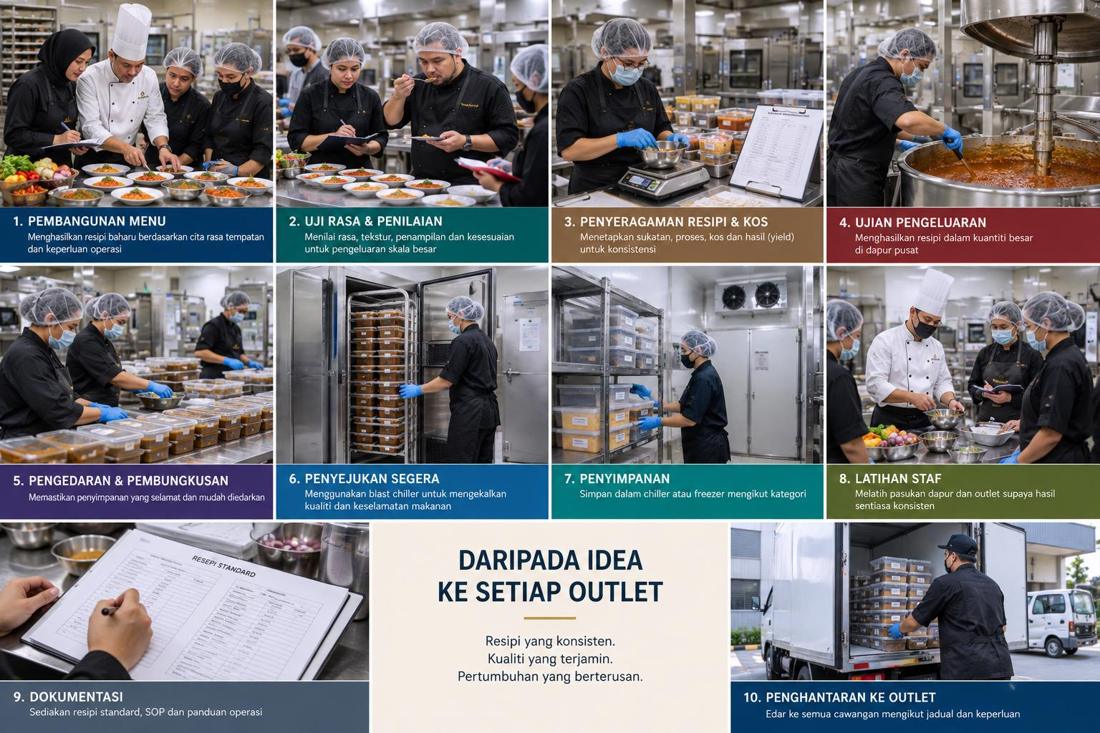
Layout & production flow planCooked dishes and pastes had to supply several outlets every day, but bulk storage, cooking and dispatch were competing for the same limited ground-floor space.
SOP system & training rolloutFood cost was running at 48%. Recipes lived in people's heads, so taste, portion and yield changed with whoever was cooking.
Menu overhaul & kitchen flowFood cost had climbed to 65% of sales. The menu was long, and the best-sellers were not the most profitable items.
Central kitchens, food plants, restaurant chains and independent concepts across Malaysia, Brunei and Indonesia.
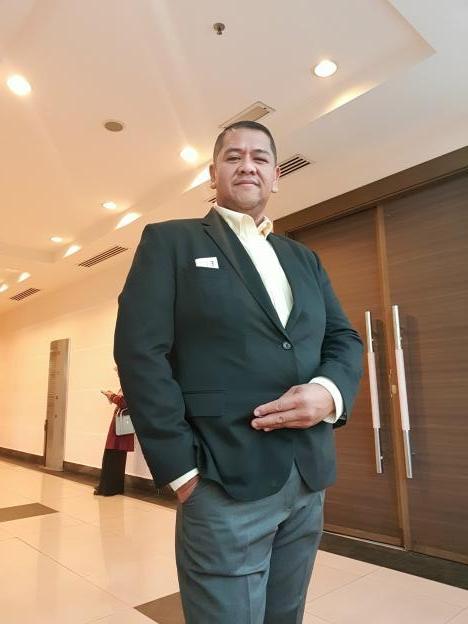
Restaurant Development & Central Kitchen Specialist
I help entrepreneurs, restaurant groups, hospitality operators and investors build profitable restaurants through proven operational systems.
With nearly 30 years in food & beverage — restaurant chains, international fast-food brands, hotels, cafés, central kitchens and concept development in Malaysia and overseas — I combine culinary expertise with commercial thinking to help clients launch, improve and scale.
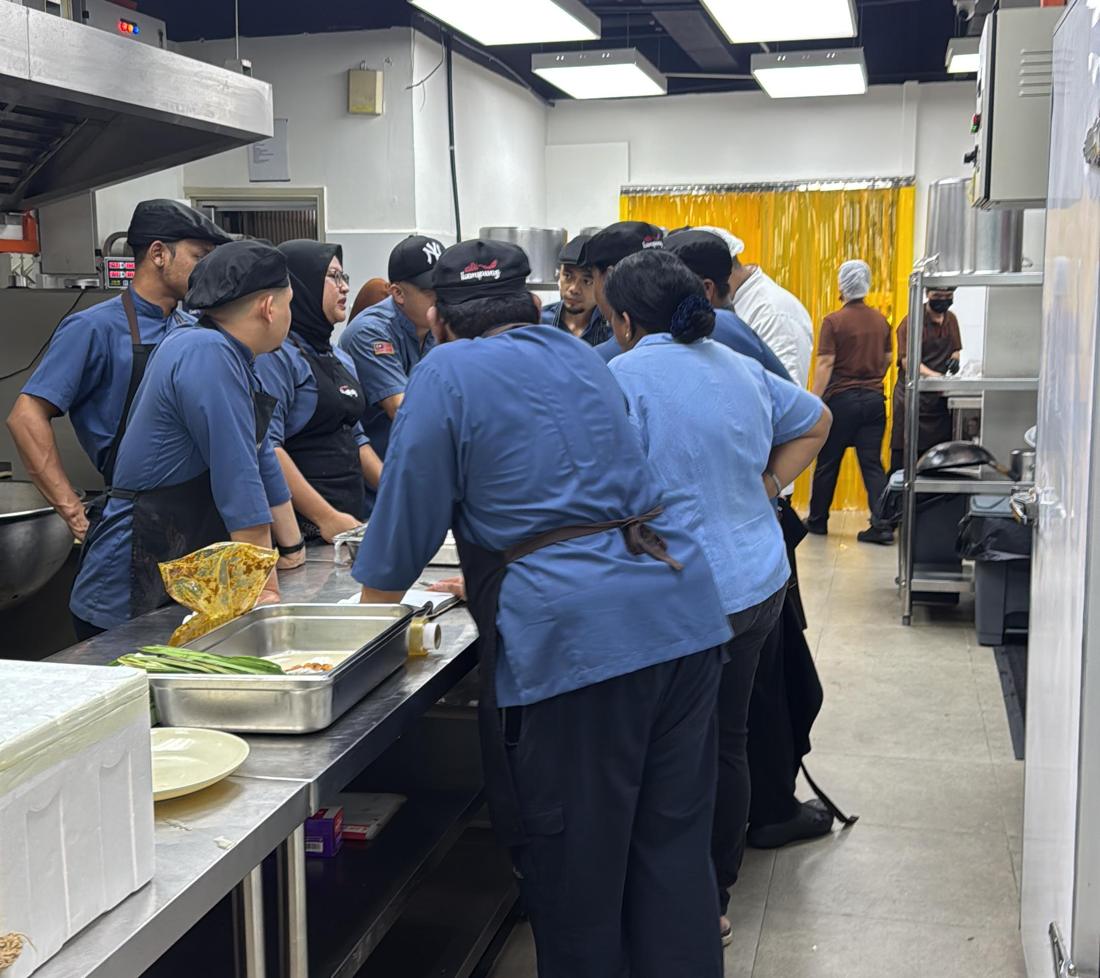
My work does not stop at advice. I sit in the kitchen, walk the production line, rebuild the costing sheet and coach the team until the system holds without me. That is the difference between a report and a result.
Cost, yield and margin control. Kitchen discipline and KPIs.
Design through to distribution, with capacity planned for growth.
Structured audit framework with prioritised corrective actions.
Full manual development, implementation and follow-through.
Item-level profitability analysis and menu redesign for margin.
Concept-to-opening roadmap with budget and timeline control.
“Great restaurants are not built by great recipes alone. They are built through disciplined systems, operational consistency, capable people and profitable execution.”— BO IBRAHIM
Leave your name and WhatsApp or email and the guide opens straight away. Ask for the PDF and we'll send it to you.
Licences, equipment, stock, systems, people and trial runs — everything to tick off before day one.
The six formulas every owner should know — food cost %, plate cost, yield, pricing and margin — with a worked example.
The structure we use to write SOPs that kitchen teams actually follow, plus the core food-safety checkpoints.
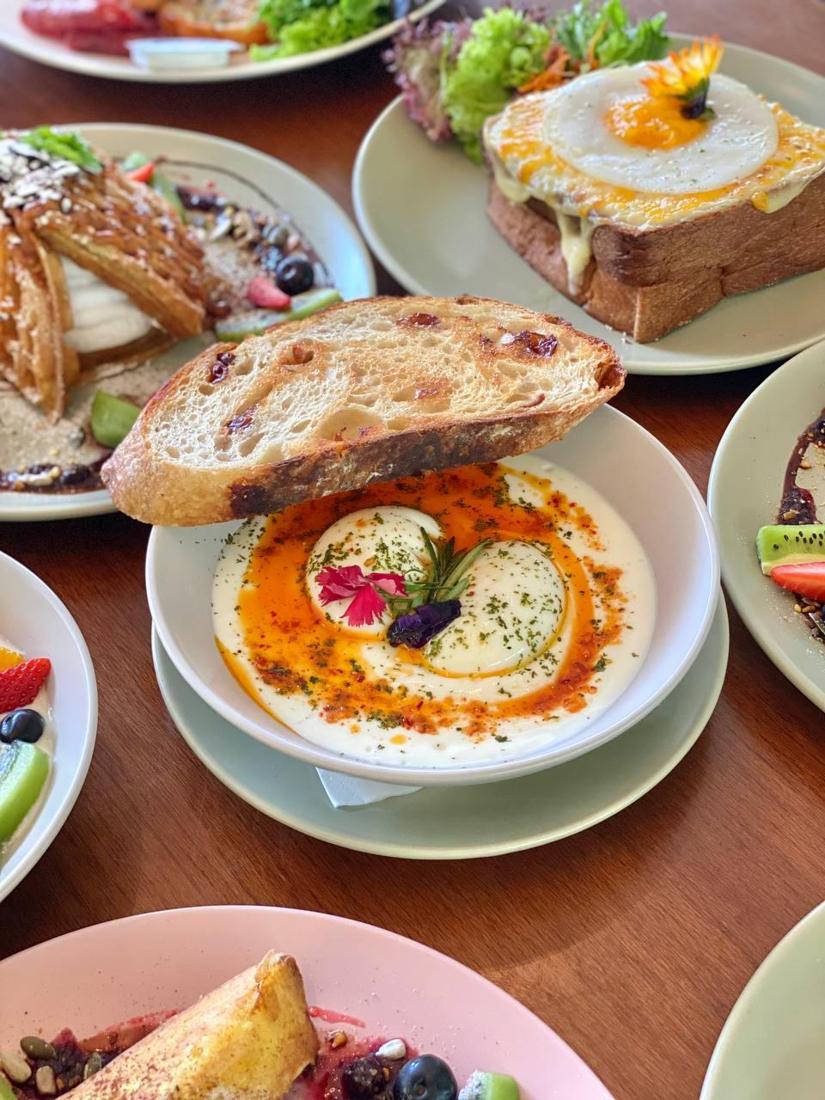
Most owners judge a dish by how many plates it sells. Menu engineering adds the second question: how much money does each plate leave behind? Put every item on two scales — popularity (share of sales) and contribution margin (selling price minus plate cost) — and it falls into one of four boxes.
Run this with at least four weeks of POS sales and up-to-date recipe costs. Then repeat every quarter: supplier prices move, and so do your Stars.
A two-hour layout review before you sign with a contractor costs far less than fixing any of these later.
Tell us where you are and what's slowing you down. We'll reply on WhatsApp — usually within one working day.
Requirements vary by council and business type — confirm licensing with your local authority.
Food cost % = Cost of food sold ÷ Food sales × 100Opening stock + Purchases − Closing stockYield % = Usable weight ÷ Purchased weight × 100Cost per usable kg = Price per kg ÷ Yield %Sum of (quantity used × true cost per unit) for every ingredient, plus garnish, sauce and packaging.Selling price = Plate cost ÷ Target food cost %Selling price (before tax & service charge) − Plate costMany cafés and restaurants work to a food cost of around 28–35%, depending on concept. Track it weekly, not monthly.
An SOP is only finished when the team can follow it without asking.